Sunday, March 22, 2009

The Farmer's New Bees

Very delicately, and while getting stung only twice, Leigh Hauter this week started 10 new bee hives on Bull Run Farm.

Leigh is acquainted with a man who travels the country with his bees, pollinating crops, and also sells bees on the side. Even though the thermometer barely registered 40 degrees, the bees Leigh ordered had arrived and it was time to transfer them to their boxes in the fields.

The process works something like this:

The bees are sold in cages--one cage for workers, a separate cage for the queen. First a queen is lowered into the box in her cage, then a group of workers--about three pounds of them--are released around her. At one end of the queen's cage is a stopper made of sugar. The worker bees begin to gnaw on the sugar. It takes them about three days to eat the sugar, during which the queen releases all kinds of pheromones that bond the bees to the queen and to each other. When the sugar is gone, a hole is revealed in the cage allowing the queen to escape and join her hive.

Leigh first got involved with bees about 20 years ago when he received a bee hive as a wedding present from his farmer father-in-law. "I didn't know the difference between a bee and wasp. I only knew they stung and I was terrified," Leigh says. But the father-in-law promised that if Leigh learned to care for that hive, he'd get another 100 hives plus the farm. Leigh did eventually inherit the farm, but now his hives number only between 20 and 30, enough to produce about 600 pounds of honey each year that he distributes to his CSA subscribers.

Bees are fascinating creatures, much more organized, sociable and responsible than humans. Raising them used to be a cinch, but times have changed. "The bees are so stressed out from what’s happening to our environment," said Leigh. "When I started out 20 years ago it was easy keeping bees. It was called being a 'bee haver.' Now you have to do a lot of work."

When he first started tending bees, Leigh said he might lose five hives out of 100 in any given year. "Now I lose half of them. It’s pretty typical even for a professional bee keeper to lose 40 or 50 percent of her hives," he says.

We've all heard of the "colony collapse" syndrome that has been devastating bee populations around the world for reasons that aren't entirely clear. Leigh said the deaths in his hives are caused mostly by tiny mites that infect the bees. One type of mite invades the bee's trachea and is considered life-shortening, but not devastating. It first appeared in the U.S. around 1984. Some bee varieties, he said, have been bread to resist the trachea mite. A second type of parasite, the vorroa mite, sucks the blood from bees and can wipe out a hive. It also appeared in the '80s and although they can be treated chemically, Leigh decided not to risk the chemicals getting into his honey.

And then there are bears.

"I lost seven hives to bears last fall," said Leigh. "They just took them out and ate them before I put up electric fences. We had a lot of bears move in through our valley last year. I saw one the night before last."

The bees do not become active until the temperature reaches around 50 degrees, and then they will be gathering most of their pollen for only a brief period, from late April to to early June when the tulip trees are in bloom. "Virginia is not really a great place to raise bees," he said.

So what do the bees do the rest of the summer? "The bees fight with each other," said Leigh. "All those worker bees become soldier bees and go and attack the weaker hives."

For the farmer, bees are work, but also a great source of pleasure. "I could sit there on a nice summer afternoon and just watch them come and go," said Leigh. "Especially if they’re nice, gentle bees."

Saturday, March 21, 2009

Kids Make Guatemalan Chicken Pepian

Just when I thought our "food appreciation" classes would be leaving Guatemala to continue our virtual world food tour our friend Grace, who works at the local library, e-mailed that she had located a Guatemalan cookbook. After paging through many intriguing recipes, I decided we must extend our stay another week so we could make this traditional Mayan-influenced dish of chicken in a spicy red sauce: chicken pepian.

The high point of this dish is the sauce, made very simply by processing (in our case grinding in the molcajete) toasted seeds, cooked tomatoes, tomatillos, red peppers, all seasoned with a bit of cinnamon. Like other Mayan dishes we love, there is no cooking oil or added fat involved, yet the flavors are a revelation.

Start by cooking a whole chicken cut into pieces (we used only wing pieces--you could use just legs or thighs as well), in three cups of water seasoned with 1 teaspoon salt. Bring to a boil, then reduce heat and cook for about 30 minutes or until the chicken is cooked through. Remove the chicken and set aside, reserving the broth.


While the chicken is cooking, chop two ripe tomatoes and one large tomatillo. Stem and seed two large, dried red peppers (such as California pepper, guajillo, New Mexico, cascabel, ancho--anything of that sort). Place the tomatoes, tomatillos and peppers in a saucepan with 1 cup water and bring to a boil. Reduce heat and cook about 15 minutes, or until everything is very tender.

Meanwhile, in the molcajete (or food processor) grind 1/2 cup toasted sesame seeds and 1 tablespoon toasted hulled pumpkin seeds into a fine powder. Add 1/4 teaspoon annatto paste (available in Latin groceries) and continue grinding until the paste is fully incorporated.


When the tomatoes, tomatillos and peppers are cooked, remove them from the saucepan with a slotted spoon and add to the ground seeds along with 2/3 cup French bread (or other white bread, crust removed) moistened with chicken broth and 1 tablespoon all-purpose flour. Continue grinding until everything is fully incorporated and you barely recognize any pieces of food, except perhaps some pepper skin, as shown here. (If you like a spicier sauce, you may add hot red pepper flakes to taste at this point.)

Scrape the mix into a pan, add 2 cups of the broth from cooking your chicken and 1 stick cinnamon broken in half. Cook over moderate heat until it is reduced to a thick sauce.


Next, strain the sauce either by pushing it with a spatula through a sieve or using a commercial strainer as shown here. The kids loved this part, turning the big wooden pestle round and round until the liquid had been pressed into the pot and all that remained in the strainer was a dry mass of seed and pepper skins. The finished sauce is velvety smooth, yet very rustic and exotic tasting with flavors quite foreign to our American palate. I can't think of any better way to describe it than very Mayan.


Place the chicken pieces in the pan with the sauce, toss to coat thoroughly and cook slowly for about 15 minutes, or until the chicken is heated through and almost falling off the bone. As you can see, it almost looks like barbecued chicken, but without any of the cloying sweetness.

We served this to the kids just like this as their reward for all the grinding they did, saving the leftover sauce. That constituted a snack. Chicken pepian would make a cracking good dinner with brown rice and perhaps some steamed chayote squash. Ladle extra sauce over the chicken so that it oozes into the rice.

The kids begged for seconds. We've rarely tasted chicken this good.

Note: anatto is the very tough, brick red seed from the achiote tree used in cuisines around the Caribbean and also as a dye. Its smell is pungent, but the flavor fairly benign. Annatto can also be found as a commercial food coloring in processed foods such as cheese and margerine.

Friday, March 20, 2009

White House to Veg Garden with School Kids

The garden and food blogs are all atwitter with news that Michelle Obama will be installing a food garden at the White House.

Apparently I was outnumbered in my argument against the garden on grounds that President Obama should think about food policy for the whole nation before he started feeding the First Family produce from the back yard. I also thought there was something politically awkward about the Obamas having a staff to feed them garden-fresh produce in a time of financial crisis, or in the absence of a federal program to help everyone install a garden. Too much symbolism, not enough substance for my taste. (A cohort in the food intelligensia agreed with me, but not very publicly.)

What I suggested was that instead of directing the gardening efforts at themselves, the Obamas should think of adopting a school garden. Kids--especially in an urban environment--need the experience of growing their own food so much more, and it would be a huge boost to the idea of school gardens as well connecting schools to local food. As I said then, there were any number of schools within walking distance of the White House that the Obamas could team up with. To my mind, that was the perfect way for the Obamas to have their garden and eat it too.

Could it be that the White House was listening? The New York Times quotes Michelle Obama as saying that the garden's "most important role will be will be to educate children about healthful, locally grown fruit and vegetables at a time when obesity has become a national concern." To that end, the White House is enlisting a squadron of fifth-grader from Bancroft Elementary School--located just blocks from our house in the Mt. Pleasant neighborhood of the District of Columbia--to come to the White House and dig up an 1,100-square-foot area of lawn and install a vegetable garden there. Thenceforth, the kids will be involved in planting seeds as well as harvesting and cooking the garden's bounty, all under the supervision of the Obama's personal chef Sam Kass.

The Obamas, meanwhile, will help pull weeds "whether they like it or not," Michelle Obama said.

This has to be considered the ultimate reward for Mt. Pleasant resident Iris Rothman, who for years has been the moving force behind the gardening efforts at Bancroft Elementary. Thanks to Rothman, a large swath of asphalt at the school was removed some years ago and replaced with a huge rain garden. The school also boasts numerous raised beds for vegetables and more than two dozen trees planted, thanks to Rothman's tireless efforts.

Will Iris be involved in the White House project? Will she get a big hug from Michelle Obama in recognition of all her local gardening efforts? We certainly hope so. Congratulations, Iris.

Before we get carried away, however, I would just warn the Obamas that while we appreciate this clever solution to the White House garden question, we are still looking for the food policy piece. Or what if the First Lady were to take on the school lunch issue?

Now there's something she could really sink her teeth into....

Thursday, March 19, 2009

Don't Drink Bottled Water

Fifty-four million barrels of oil.

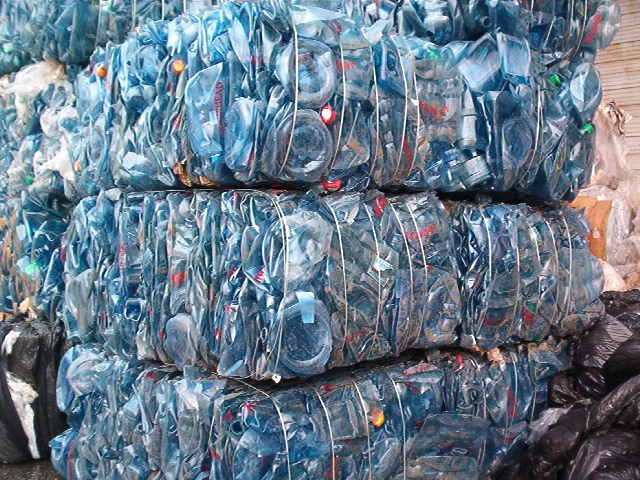
That's how much energy it took to quench Americans' thirst for bottled water last year. That's about 2,000 times the energy required to produce the same amount of tap water. And we haven't even begun to calculate the cost of the plastic bottles discarded from approximately 200 billion (that's b-i-l-l-i-o-n) liters of water sold around the globe.

According to a recent study by the Pacific Institute, when water is shipped relatively short distances most of the energy involved in getting it to consumers is tied up in producing the bottle itself. Water bottles typically are made of polyethelene terepthalate (PET), a thermoplastic polymer resin used to make everything from polyester for clothing to food containers. When bottled water is shipped long distances, the cost in energy can double.

And if you thought those bottles were recycled, think again. Most water bottles are still being made of virgin PET, and the Pacific Institute estimates that about 1 million tons of it were used to produce water bottles for the U.S. market in 2007. More than 60 million water bottles end up in landfills and incinerators every day--assuming they weren't just tossed on the side of the road or are floating in the nation's waterways.

If you must drink bottled water, please fill the bottle out of your tap and re-use it.

Wednesday, March 18, 2009

Liver and Onions

Some people hate liver. My wife does not care for organ meat. She would rather die than eat a filtering organ. Me, I like offal of all kinds: liver, kidneys, sweetbreads, heart, tongue, gizzards. Bring it on. It's a shame you can't hardly find it any more at the grocery. We do see kidneys once in a while. Liver--beef liver--seems to be the one consistent exception to the new rule. Occasionally calve's liver. But usually it's hidden in the freezer section.

This particular liver is special. It comes from our dairy, Smith Mountain Creamery, which sells a wide variety of meats. The beef is from their own dairy cows. Lamb and pork they obtain from other farmers in the area. Especially if you are trying to save a penny, it's hard to resist liver.

My favorite way to prepare liver is still the classic diner version. First caramelize a skillet-full of onions. Then drop a dollop of butter in the pan, raise the heat and cook the liver fairly quickly on each side. Unless it is a very thick slice, it will be done in just a couple of minutes. I prefer mine with just a hint of pinkness in the center, not always an easy thing to achieve. Serve immediately.

Tuesday, March 17, 2009

Ridiculously Fresh Poached Eggs

I practically stole these eggs right out from under the mother hens. They were still warm. This was a week ago when I collected a dozen on Leigh Hauter's farm outside The Plains, Virginia. Note: They do need to be washed once you get them home.

The eggs cook fairly quickly in a simmering skillet of vinegar-scented water. No fancy equipment--just ease the eggs right from the shell into the water. When they've set, scoop them out with a slotted spoon. Fresh eggs hold together much better than older eggs. Save your old eggs for hard-boiling.

In my quest for protein, I've been cleaning out the freezer as well as dark corners of the fridge. The eggs are nesting on several slices of perfectly cured prosciutto from Benton's Smokey Mountain Country Ham, same place where we order our bacon. Up to now the prosciutto had escaped my attention, so this was my first taste of it and do you know what? Close your eyes and you would never know it came from Madinsonville, Tennessee. Tastes just like Parma, Italy (maybe a little earthier, saltier).

The prosciutto is my new favorite way of getting the runny yolks from plate to mouth.

Monday, March 16, 2009

It's About Time

The U.S. Environmental Protection Agency is finally doing some enforcement work to reduce pollution in the Chesapeake Bay. The EPA has told poultry farmers on Maryland's Eastern Shore that they must now apply for a permit if any of their manure is running off into local waterways.

The federal requirements are even stiffer than what Maryland state officials have proposed. Poultry growers will be required to submit comprehensive reports on how they handle and store the manure produced by their flocks, and list how much they're using as fertilizer on crops and what precautions they're taking to keep it from getting into nearby streams.

The federal regulations also could require many to change their farming practices. The rules sharply restrict the amount of time they can stockpile manure in their fields before working it into the soil and require them to leave much larger swaths of land uncultivated along drainage ditches and waterways.

Agriculture is the largest source of the nutrients degrading the bay's water quality, with runoff of manure and chemical fertilizers responsible for 42 percent of the nitrogen and 46 percent of the phosphorus. Nitrogen and phosphorus runoff each summer results in huge "dead zones" in the bay where fish and other wildlife are unable to survive because of algae blooms that deplete the water's oxygen.

Go here for a full report in the Baltimore Sun.